About
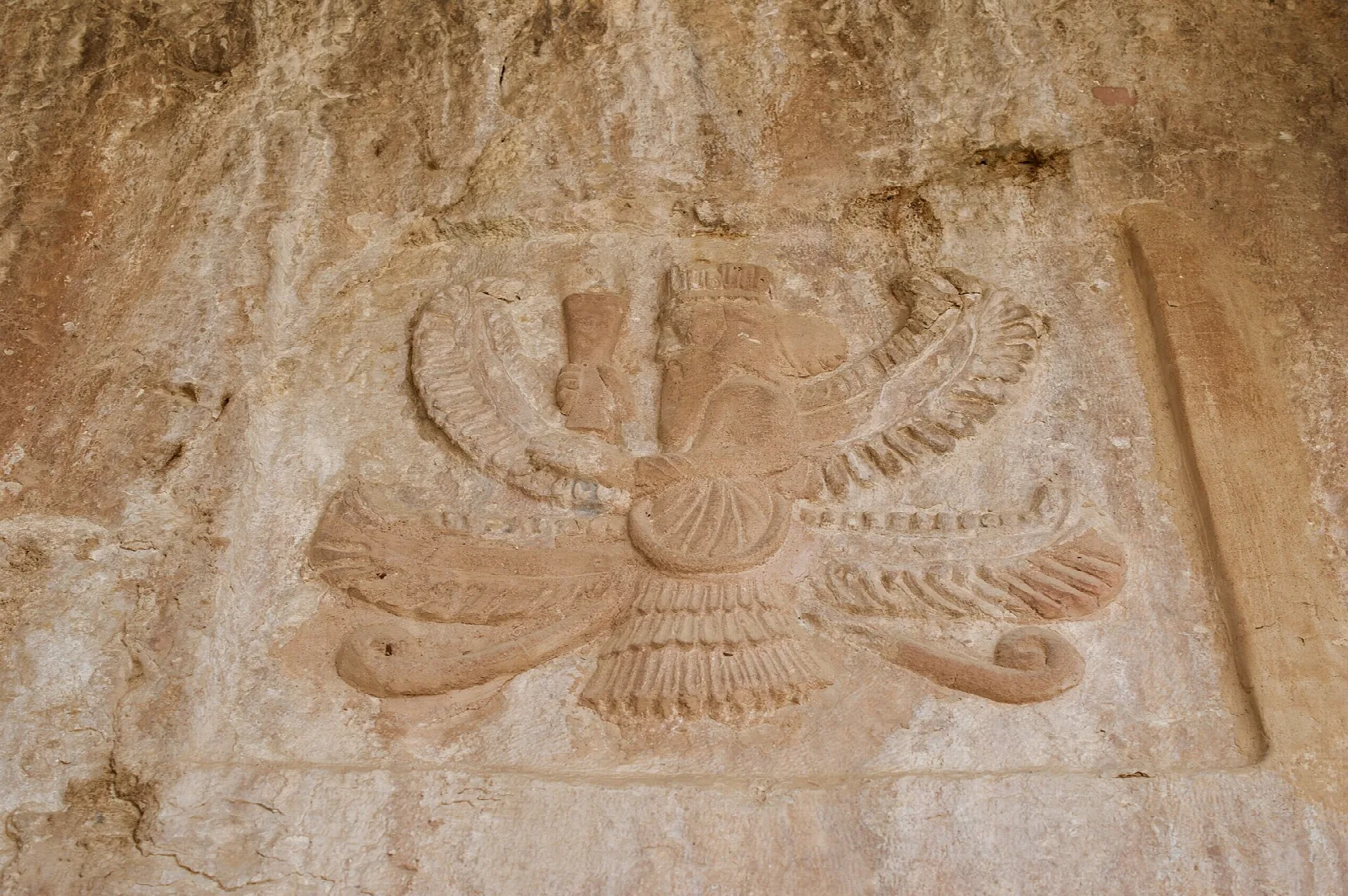
A rock-cut tomb from the Median era with carved reliefs, high on a cliff face. Qizqapan is one of the most significant and historically valuable archaeological sites in Kurdistan and the wider Middle East, dating back to the Mede Period (6th century BC). Located in the Chemi Rezan valley of the Sulaymaniyah Governorate, this monument is meticulously carved into the cliffside of a rocky mountain. Is it a cave or a cemetery? Scientifically, Qizqapan is not a natural cave; it is a monumental royal rock-cut tomb. In ancient Mede and Persian traditions, it was customary to carve the tombs of kings, rulers, and high-ranking nobles directly into high mountain cliffs. This practice served a protective purpose: guarding the final resting place and the valuable burial goods (such as gold and personal artifacts) from grave robbers and harsh weather elements. Therefore, it functions strictly as an ancient royal mausoleum. Architectural Details & Interior Structure: • The Facade: The exterior features two beautifully carved stone pillars with capitals heavily influenced by early Ionic architectural styles. • The Interior Chambers: Inside the tomb, the space is divided into three small interconnected chambers. Within these rooms, three distinct burial troughs (sarcophagi) are carved directly into the rocky floor. • The Relief Carvings: The most famous aspect of Qizqapan is the sophisticated relief carved above the entrance. It depicts two figures (likely a king and a high priest) standing on either side of a sacred fire altar, holding bows. Above them, celestial symbols resembling a winged disc or the sun are visible, which strongly links the tomb to ancient Zoroastrian or Mithraic religious practices.
Amenities
- Photo spot
Address
Surdash area
DirectionsReviews
Log in to leave a reviewNo reviews yet. Be the first!
Discover more places
Hotels, restaurants and tourist sites across the city.
Explore KRD.EasyTrip